
Help Give Zenda A Family
Help Protect Africa’s GiraffesClose by, Craig Busch waited out the storm in his house, and when it eventually passed he stepped out to inspect his property for damage. It was as he got to the far reaches of his reserve that something caught his eye… that he saw her, curled up under a tree, a small frightened giraffe calf, alone and vulnerable to the all the dangers of the African bush.
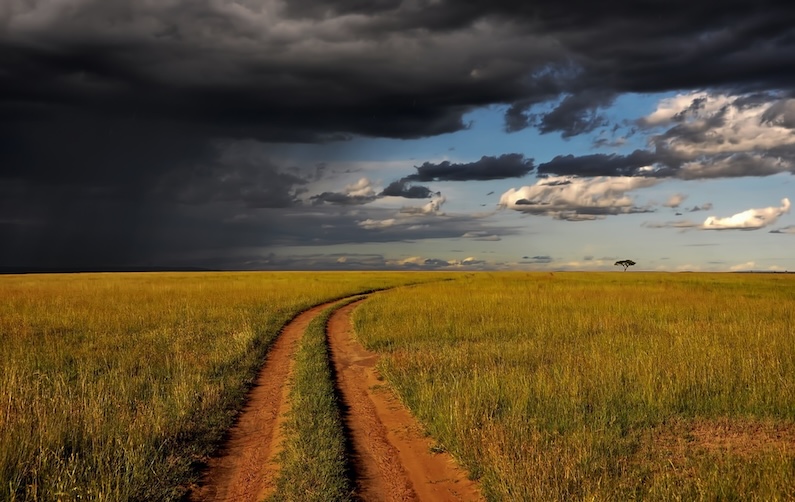
He knew immediately that he had to do something – that if she stood a chance of survival, he had to get her back with her mother. So, he waited and searched for hours, scanning the surrounding area for any sign of her. But as the afternoon drew into evening, and the calls of jackals echoed across the reserve, it became clear that no one was coming back for her. Atleast, not soon enough.
Without his intervention, the tiny calf would almost certainly have died alone that night.Craig took her home and into his house. He named her Zenda and began the demanding task of raising her by hand. She was bottle-fed, cared for around the clock, and grew up alongside five lion cubs in one of the most unusual animal families imaginable. For a long time, there was hope that she might one day be reunited with her mother, but as the months passed that possibility faded.
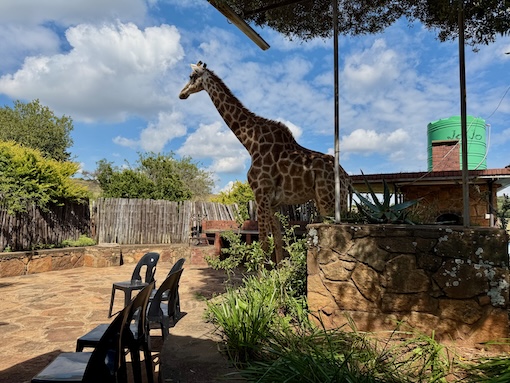
And today, some years later, she is one of the reserve’s most cherished residents. Visitors are captivated by her gentle nature, curious personality and towering presence. She spends her days exploring the reserve, supervising works and greeting guests… and serving as a powerful reminder of the beauty and importance of Africa’s wildlife.
Yet despite her remarkable story, Zenda remains alone. And that is why we need your help.
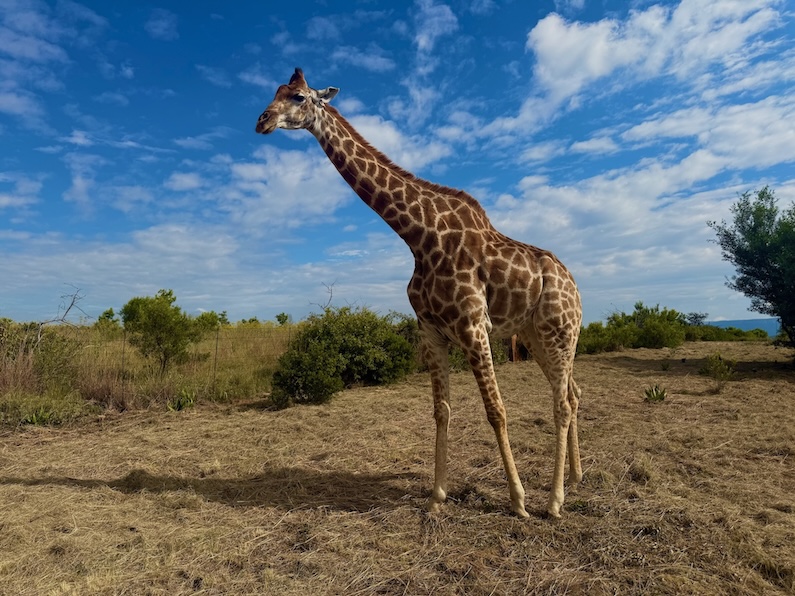
A Species in Decline
Giraffe numbers have fallen dramatically across Africa. Over the last three decades, populations have declined by around 40%, with many conservation organisations estimating that fewer than 70,000 giraffes remain in the wild today. In the 1980s, there were thought to be more than 155,000. Habitat loss, human expansion, poaching and conflict with people continue to threaten their future. Unless action is taken, giraffe populations will continue to decline.
Our Goal
We want to give Zenda something she hasn’t had in a long time: the chance to live alongside other giraffes and become part of a future breeding programme. Our goal is to bring two giraffes to Libran Wildlife Reserve and establish a small breeding group that can contribute to the long-term survival of this magnificent species in South Africa.
Every successful conservation effort starts somewhere. For us, it starts with Zenda.
How Your Donation Will Help. We are raising £3,000 to cover:
Every pound raised will go directly towards making this project a reality.
Be Part of Zenda’s Story
Every donation matters and every share helps. And as a supporter you get to become part of Zenda’s journey with a monthly newsletter updating you on her new life with her herd. Thank you for helping us give Zenda a family and helping protect one of Africa’s most iconic animals for generations to come.
10 Things You Didn't Know
About Zenda The GiraffeGiraffes are the tallest land animals, with adult males growing up to about 5.5 metres tall.
Their tongues can be around 45–50 centimetres long, helping them pull leaves from thorny branches.
A giraffe has seven neck vertebrae, the same number as a human, but each one is much longer.
Every giraffe has a unique coat pattern, rather like a human fingerprint.
Giraffes mainly eat leaves, especially those from acacia trees.
Their hearts are extremely powerful, pumping blood all the way up their long necks to the brain.
Giraffes sleep very little, often getting only a few hours of sleep each day.
They can run at speeds of about 35 mph (56 km/h) over short distances.
Baby giraffes are born after a fall, because their mothers usually give birth while standing.
Giraffes are native to Africa, where they live in savannahs, grasslands and open woodlands.